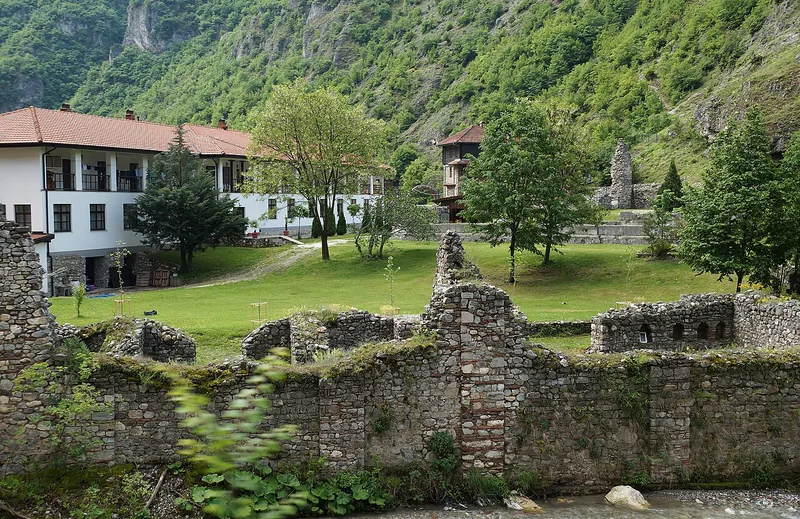
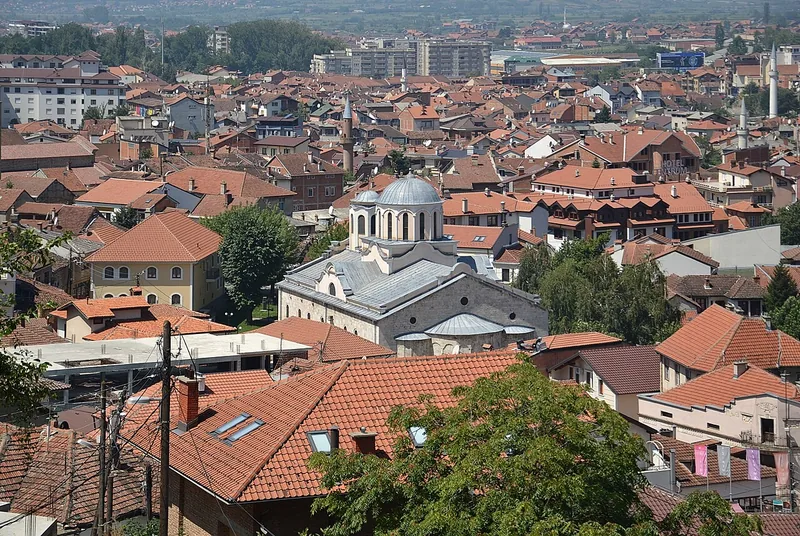
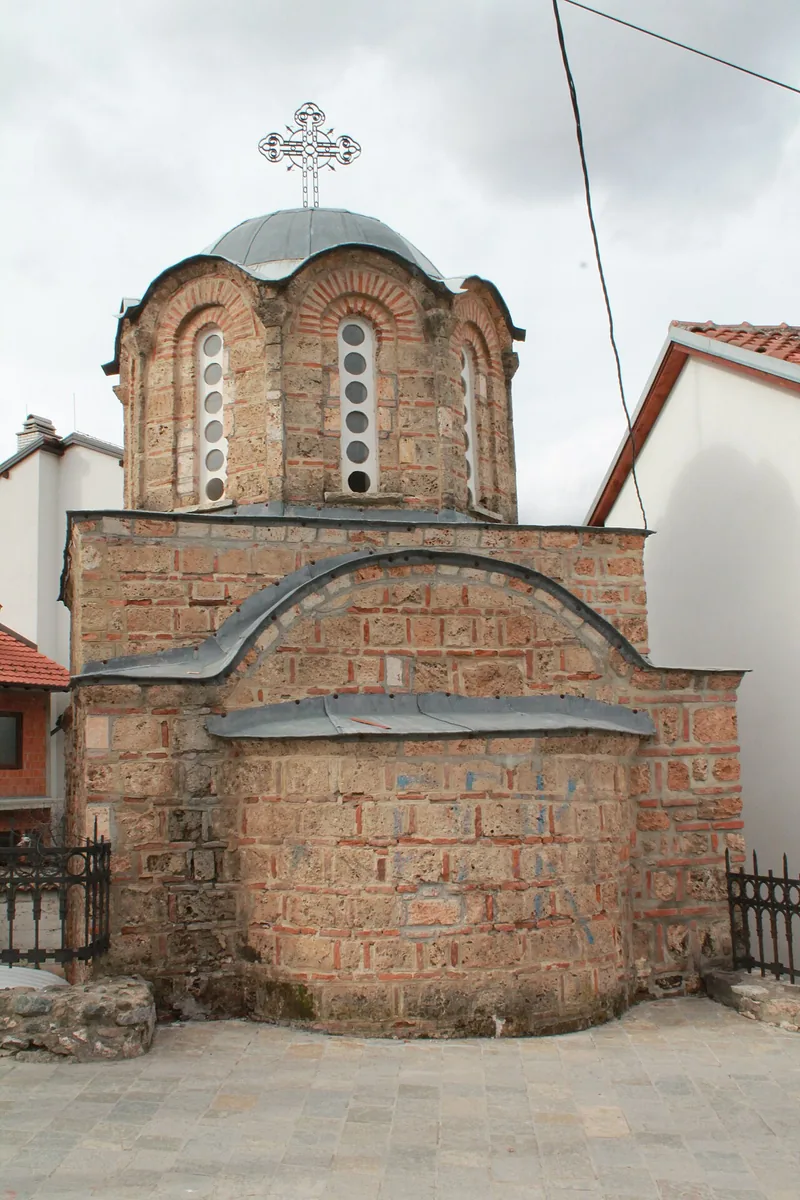
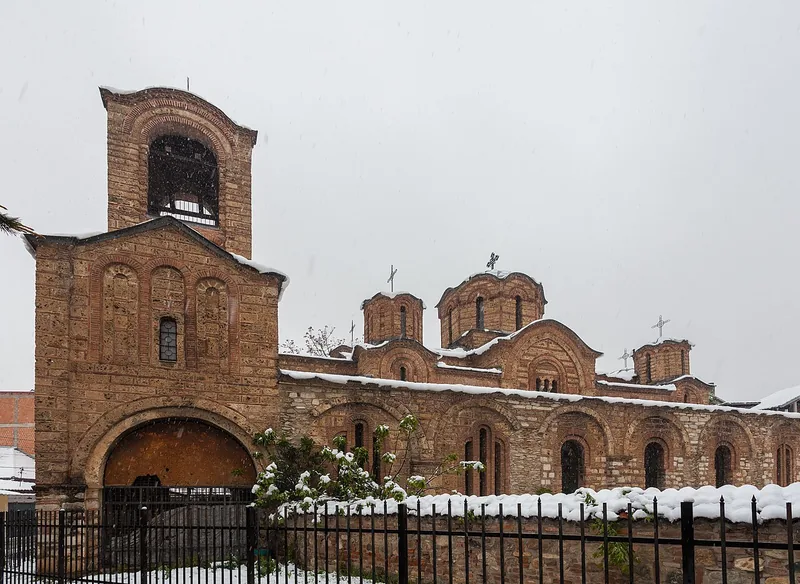
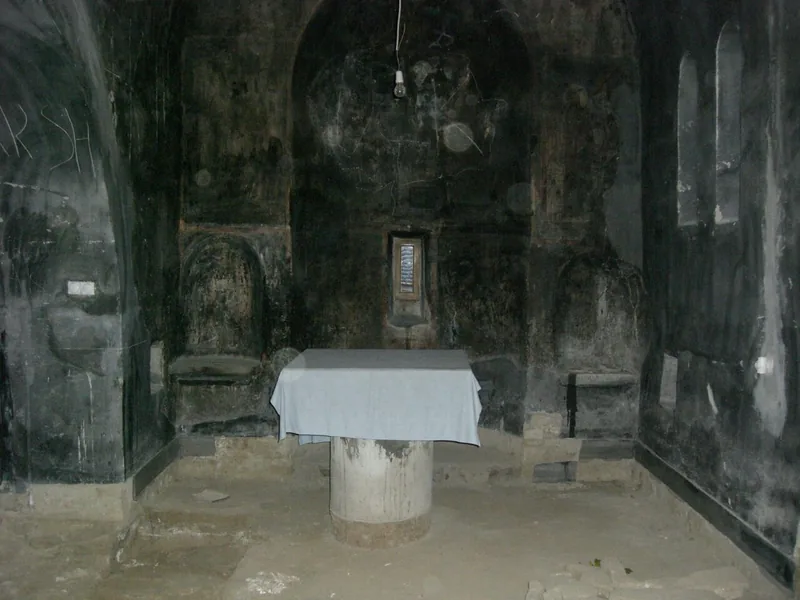
Devič Monastery, situated in a wooded valley of the Drenica region near the village of Lauša (Llaushë), south of Srbica (Skenderaj), is a Serbian Orthodox women's monastery founded in the 15th century around the ascetic retreat and tomb of St Joanikije of Devič, with its main church dedicated to the Presentation of the Holy Virgin. Designated as site #03 (RIC03) in the Reconstruction Implementation Commission (RIC) catalogue, it was the focus of major multi-year reconstruction works from 2005 to April 2009 documented across the May 2009 dossier, the April 2009 Current Activities report, and five RIC tender notices.

Historical and Architectural Significance
Founded in the 15th century in the Drenica region, Devič Monastery grew around the healing spring and tomb of the medieval Serbian ascetic St Joanikije of Devič (died 1430), with historical tradition recording that Despot Đurađ Branković endowed the stone church in gratitude for the healing of his daughter. According to the archived RIC dossier #03, the monastic complex comprises a church dating from the 15th century (explicitly referred to by its canonical dedication as the Church of the Presentation of the Holy Virgin in the 2006 Serbian tender list, and featuring a northern parecclesion leading into St Joanikije's chapel as noted in Current Activities), three residential buildings (konaks), and a refectory.
The RIC dossier summarizes the complex's turbulent architectural history: founded in the 15th century, the monastery was renewed and expanded in the 19th century, completely destroyed during the Second World War (in 1941), and subsequently rebuilt and conserved between 1947 and 1960. During post-war conservation campaigns in the church and in St Joanikije's chapel, conservators uncovered layers of original 15th-century frescoes beneath the 19th-century plaster and paintings—including a portrait of St Joanikije in monastic vestments and a 1430 inscription. Reflecting both historical strata, the RIC site description specifically notes that the church contains Frescoes from XV and XIX centuries.
Destruction and Recorded Damage (March 2004)
During the March 2004 unrest (18 March 2004), following the evacuation of the resident nuns, the entire Devič Monastery complex was set on fire, its interiors were gutted, and the monastic cemetery was desecrated. According to the 2004-Damage Assessment section of the archived RIC dossier, the church was severely affected by fire, its roof and iconostasis were destroyed, and the 15th- and 19th-century wall paintings were covered in soot and graffiti.
All three monastic residences (konaks) were totally destroyed by fire, leaving only their main structural walls standing. The RIC dossier also records the immediate emergency works carried out in 2004 shortly after the March riots (prior to the establishment of the RIC in 2005): the church roof was repaired and the former monastic refectory was reconstructed and converted into living quarters so that the sisterhood of nuns could return to the site.
Reconstruction and Conservation Works (2005–2009)
The rehabilitation of Devič Monastery was one of the most comprehensive multi-year engineering and architectural undertakings managed by the RIC, executed across at least six contract packages between 2005 and April 2009. The table below reconstructs the documented phases from the archived site sheet, tender lists, and the April 2009 Current Activities report.
| Year | Completed Works and Interventions | Stage Status |
|---|---|---|
| 2004 (post-March) | Emergency repair of the church roof; reconstruction of the former refectory and its conversion into living quarters for the nuns. | Completed |
| 2005 | Repair of perimeter walls; replacement or repair of damaged doors and windows in the church; repair of the altar table; repair of the lead roof; replacement of gutters and downpipes of the church; demolition of an unstable and unsafe partition wall in the old konak. | Completed |
| 2006 | Reconstruction of the old guest house (partitions, plaster, floors, joinery, utility services, new concrete slabs, new roof construction and tiles); lead roof cover to the winter chapel; reconstruction of a collapsed retaining wall; internal repairs to the church (restoration of damaged plaster and floors, electrical installations); protective works in the central konak (new concrete slabs, wall consolidation and reinforcement). | Completed |
| 2007–2008 | Full reconstruction of the central guest house (new concrete slabs, new roof construction and tiles, partitions, plaster, floors, joinery, and services); cemetery repairs; construction of a new boiler house and installation of the heating system. | Completed |
| 2009 | Bell and the well; reconstruction of the remaining monastic buildings; new iconostasis to the church; wall paintings restoration. | Planned |
Cross-referencing the individual site dossier with the annual tender lists (2005–2007) and the April 2009 Current Activities page provides a highly detailed record of the reconstruction sequence at Devič. Following urgent protective works on the church roof, altar table, and perimeter walls in 2005 (tender item #7), the RIC formally announced the launch of major reconstruction in Prizren, Skenderaj/Srbica, and Pristina on 5 September 2006 (recorded on ). Three separate contracts were tendered in 2006: general reconstruction works focusing on the old guest house, winter chapel roof, and collapsed retaining wall (43000-06-004-5-2-1), internal plaster, floor, and electrical repairs inside the monastery church (43000-06-005-5-2-1), and structural slab and wall consolidation on the central konak (43000-06-011-5-2-1).
In 2007, the RIC tendered the full architectural completion of the central konak (43000-07-002-5-2-1) alongside a dedicated mechanical and civil engineering contract for the construction of a boiler house and installation of a central heating system (43000-07-023-5-2-1). The Current Activities update dated April 2009 (under code RIC03) explicitly confirms that contract 43000-07-023-5-2-1 was finished, accompanied by photographic captions showing the church altar area, the northern parecclesion (entrance to St Joanikije's chapel), and the completed boiler house.
Conservation Context and Monument Condition
By the April–May 2009 cutoff of the historical RIC website, the structural and architectural reconstruction of the old guest house, the central guest house (konak), the collapsed retaining wall, the boiler house and heating system, the cemetery repairs, and the internal plaster and floor repairs of the church were documented as completed. However, works on the bell and well, the reconstruction of the remaining monastic buildings, the installation of a new iconostasis, and the conservation of the soot- and graffiti-damaged wall paintings remained listed as programmed further interventions for 2009.
The May 2010 Council of Europe report and OSCE monitoring reports highlight the substantial completion of residential and infrastructure works at Devič while noting ongoing heritage and security considerations. This collection does not extrapolate completion dates for post-2009 fresco or iconostasis works beyond the verified primary sources.
Frequently Asked Questions
What is the canonical dedication of the church at Devič Monastery, and why is it listed as the Monastery of St Joanikije?
The main monastery church is canonically dedicated to the Presentation of the Holy Virgin (as explicitly recorded in the 2006 Serbian RIC tender list under contract 43000-06-005-5-2-1), while its northern parecclesion leads to the chapel and tomb of the 15th-century ascetic founder St Joanikije of Devič, after whom the entire monastery is named in the RIC catalogue (#03).
Which buildings at Devič Monastery were reconstructed under RIC contracts between 2005 and April 2009?
According to the archived dossier, tender lists, and the April 2009 Current Activities report, RIC works completed the repair of perimeter walls and church roof/joinery (2005), full reconstruction of the old guest house, winter chapel lead roof, collapsed retaining wall, and internal church plaster/floor repairs (2006), full reconstruction of the central guest house (konak) and cemetery repairs (2007–2008), and the construction of a new boiler house and heating system (finished by April 2009 under contract 43000-07-023-5-2-1).
What happened to the 15th- and 19th-century frescoes at Devič Monastery in March 2004?
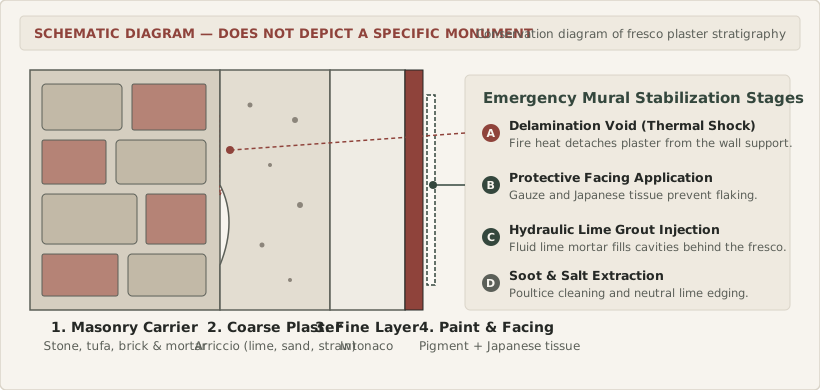
The 2004 Damage Assessment in the RIC dossier records that the church was affected by fire, its roof and iconostasis were destroyed, and the wall paintings from the 15th and 19th centuries were covered in soot and graffiti. Their restoration remained listed as a programmed intervention as of May 2009.
How were the nuns accommodated immediately after the March 2004 fire destroyed all three konaks?
As noted in the 2004 section of the RIC dossier, in 2004 shortly after the March riots, the church roof was temporarily repaired and the former monastic refectory was reconstructed and converted into living quarters for the nuns prior to the 2006–2008 reconstruction of the old and central guest houses.
Which specific RIC tender numbers are documented for Devič Monastery?
The archived RIC tender lists record item #7 in 2005; three tenders in 2006 (43000-06-004-5-2-1, 43000-06-005-5-2-1, and 43000-06-011-5-2-1); and two new tenders in 2007 (43000-07-002-5-2-1 for the central konak and 43000-07-023-5-2-1 for the boiler house and heating system, alongside a repeated listing of 43000-06-005-5-2-1).
Sources and Further Reading
- EU/CoE Support to the Promotion of Cultural Diversity in Kosovo (PCDK) & Previous Reconstruction Action — Council of Europe (Directorate of Culture and Cultural and Natural Heritage) (2010–2014) · Source document ↗
- Report Submitted by UNMIK Pursuant to Article 2.2 of the Agreement Between UNMIK and the Council of Europe Related to the Framework Convention for the Protection of National Minorities (ACFC/SR/II(2009)002) — Council of Europe / UNMIK (31. maj 2010.) · Source document ↗
- OSCE Mission in Kosovo Report on Cultural Heritage Protection and Reconstruction Process (Document 74597) — OSCE Mission in Kosovo (2008–2010) · Source document ↗
- RIC Archival Page: Current Activities / Trenutne aktivnosti — Reconstruction Implementation Commission (RIC) — archival snapshot (april 2009.)