The Reconstruction Implementation Commission (RIC) was a five-member joint international and local decision-making body established under a March 2005 Memorandum of Understanding to programme and oversee the reconstruction of 34 Serbian Orthodox religious sites damaged or destroyed in Kosovo during the March 2004 riots. Chaired by a representative of the Council of Europe, the Commission brought together representatives of the Serbian Orthodox Church, the Republic Institute for the Protection of Cultural Monuments in Belgrade, the Ministry of Culture, Youth and Sports, and the Institute for the Protection of Monuments in Pristina. Holding its first plenary meeting in May 2005, the RIC succeeded the short-lived Implementation Committee (IC), which operated only between June and mid-September 2004.
From the March 2004 riots to two distinct institutional mechanisms
Secondary literature and media reports frequently conflate the initial post-March 2004 assessment bodies with the Reconstruction Implementation Commission (RIC), sometimes dating the Commission’s creation to mid-2004. Primary documentation preserved from the official May 2009 RIC website clearly distinguishes between two separate mechanisms created under two successive Memoranda of Understanding. Following the March 2004 unrest, in which 34 Serbian Orthodox religious sites were identified for the programme as damaged or destroyed, the United Nations Mission in Kosovo (UNMIK) invited UNESCO, the European Commission, and the Council of Europe (CoE) to conduct damage assessments. In response, the Council of Europe’s Directorate for Culture and Cultural and Natural Heritage (DGIV) established an Emergency Action Plan for the Cultural Heritage in Kosovo in close coordination with the European Commission and UNMIK, integrated into the ongoing Regional Programme for Cultural and Natural Heritage in South East Europe.
Between May and July 2004, three joint technical assessment missions were organised by the Council of Europe and the European Commission, bringing together international specialists, experts from the Kosovo Provisional Institutions of Self-Government (PISG), Belgrade-affiliated conservation specialists, and representatives of the Serbian Orthodox Church. These missions produced an overall technical assessment report covering all 34 sites alongside two detailed technical assessment reports for each individual monument, establishing a priority list, cost estimates, and proposals for urgent protective interventions as well as medium- and long-term conservation measures.
The first institutional body was formed in June 2004, when UNMIK-mediated negotiations between the Serbian Orthodox Church (SOC) and the PISG resulted in a Memorandum of Understanding establishing an Implementation Committee (IC) to supervise urgent reconstruction works. According to the RIC historical record, the Implementation Committee operated from August until mid-September 2004, when the Church withdrew from the MoU, halting reconstruction progress and leading to the dissolution of the Committee. Concurrently, on 10 September 2004, at the initiative of the Council of Europe Secretary General, an Independent International Commission for the Cultural Heritage in Kosovo—involving the CoE, the European Commission, and UNMIK—was set up to provide medium- and long-term policy guidance.
Only after extensive subsequent negotiations involving UNMIK, Church representatives, and authorities in Belgrade did the Holy Synod confirm that the Serbian Orthodox Church would re-enter the process, culminating in a second Memorandum of Understanding signed in March 2005. Established on the basis of this March 2005 MoU, the Reconstruction Implementation Commission (RIC) held its first plenary meeting in May 2005, with its formal mandate codified in the Terms of Reference signed in August 2005, revised in May 2006, and supplemented by an Addendum in September 2006.
| Period | Body / Initiative | Legal Basis and Key Participants | Documented Outcome in Primary Sources |
|---|---|---|---|
| May – July 2004 | Three Joint Technical Assessment Missions (CoE / EC) | Council of Europe, European Commission, PISG, Belgrade-affiliated experts, and SOC representatives | Published overall technical assessment report for 34 sites plus two detailed reports per site |
| June – mid-September 2004 | Implementation Committee (IC) | First Memorandum of Understanding (June 2004) between the SOC and PISG mediated by UNMIK | Operated August to mid-September 2004; dissolved after the SOC withdrew from the first MoU |
| 10 September 2004 | Independent International Commission for the Cultural Heritage in Kosovo | Initiative of the CoE Secretary General (CoE, EC, UNMIK) | Medium- and long-term policy advisory body; directed the International Expert Board (IEB) from 2006 |
| March – May 2005 | Reconstruction Implementation Commission (RIC) | Second Memorandum of Understanding (March 2005); first plenary meeting in May 2005 | Primary decision-making body; Terms of Reference signed August 2005, revised May and September 2006 |
| 2006 | International Expert Board (IEB) | Specialists from Greece, Italy, Spain, and the UK under the Independent International Commission | Field review missions at the request of the RIC Chairwoman and professional conservation workshops |
The five-member Commission and its operational mechanism
As documented in the 2009 record, the RIC served as the central decision-making body responsible for programming and overseeing the implementation process. Its five voting members were: (a) the Council of Europe Representative, serving as Chairperson; (b) the Serbian Orthodox Church Representative; (c) the Representative of the Republic Institute for the Protection of Cultural Monuments in Belgrade; (d) the Representative of the Ministry of Culture, Youth and Sports (MCYS); and (e) the Representative of the Institute for the Protection of Monuments in Pristina. UNMIK provided essential operational support, attending Commission sessions as an observer, coordinating security arrangements with KFOR and the police, and facilitating logistical liaison among stakeholders.
Technical preparation and contract administration followed a carefully balanced workflow designed to ensure both conservation legitimacy and procurement compliance. All architectural and conservation designs were prepared by the Serbian Institutions for the Protection of Cultural Monuments (IPMs), managed through their office in Leposavić. Day-to-day contract management, procurement coordination, and administrative duties were carried out by the RIC Technical Unit based in Pristina and financed jointly by the Council of Europe and the European Commission.
Headed by an international Project Manager specialising in architecture, the Pristina Technical Unit comprised five local staff members of both Serbian and Albanian ethnicity working in architecture, civil engineering, administration, and translation/interpretation. Contract documentation and procurement procedures were organised jointly by the Technical Unit and the Ministry of Culture, Youth and Sports (MCYS), which held formal budget and procurement responsibilities and designated a local consultant as a focal point between the Ministry and the Technical Unit.
Under the RIC tender process, invitations to tender were published in local and regional newspapers as well as on the RIC, CoE, and EC websites, requiring proven experience in the conservation of Orthodox heritage monuments. Bids were evaluated by the RIC with observation by the MCYS procurement officer, and contractor recommendations were submitted to the Serbian Orthodox Church for approval before contracts were managed on site by the Technical Unit. Daily site supervision was conducted by Serbian and Albanian supervisors and consultants nominated in principle through the IPMs to maintain equal professional representation on each project site.
The International Expert Board (IEB) and what the RIC was not
To ensure that works complied with European and international conservation standards, an International Expert Board (IEB) was established in 2006. Operating under the direction of the Independent International Commission (set up in September 2004) and acting at the request of the RIC Chairwoman, IEB specialists from Greece, Italy, Spain, and the United Kingdom carried out field inspection missions to review the quality of site interventions, recommend methodological improvements, and lead advanced training workshops for local professionals.
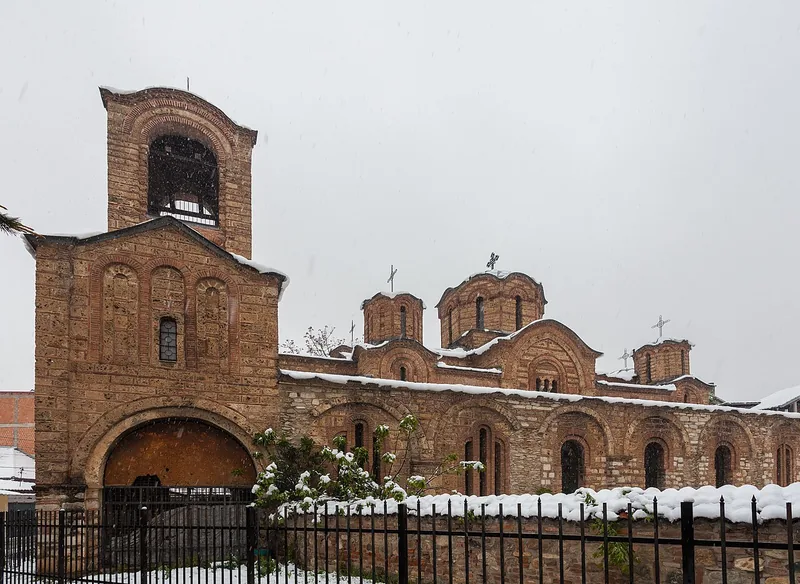
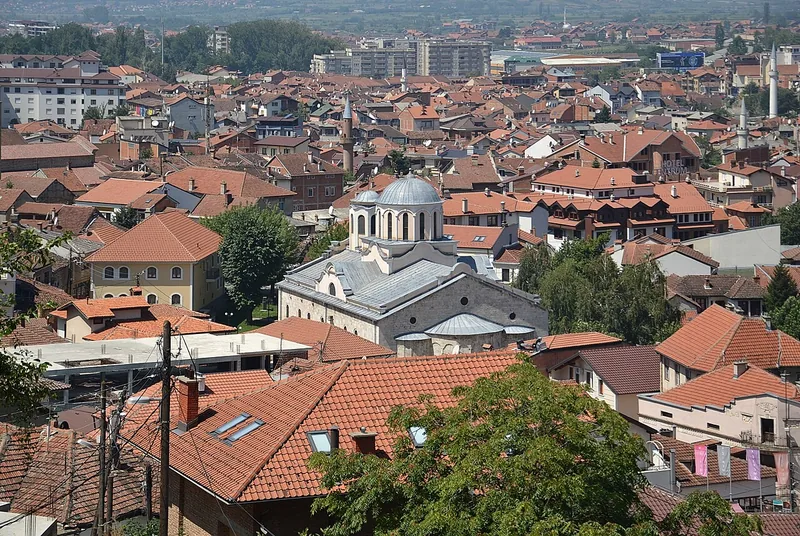
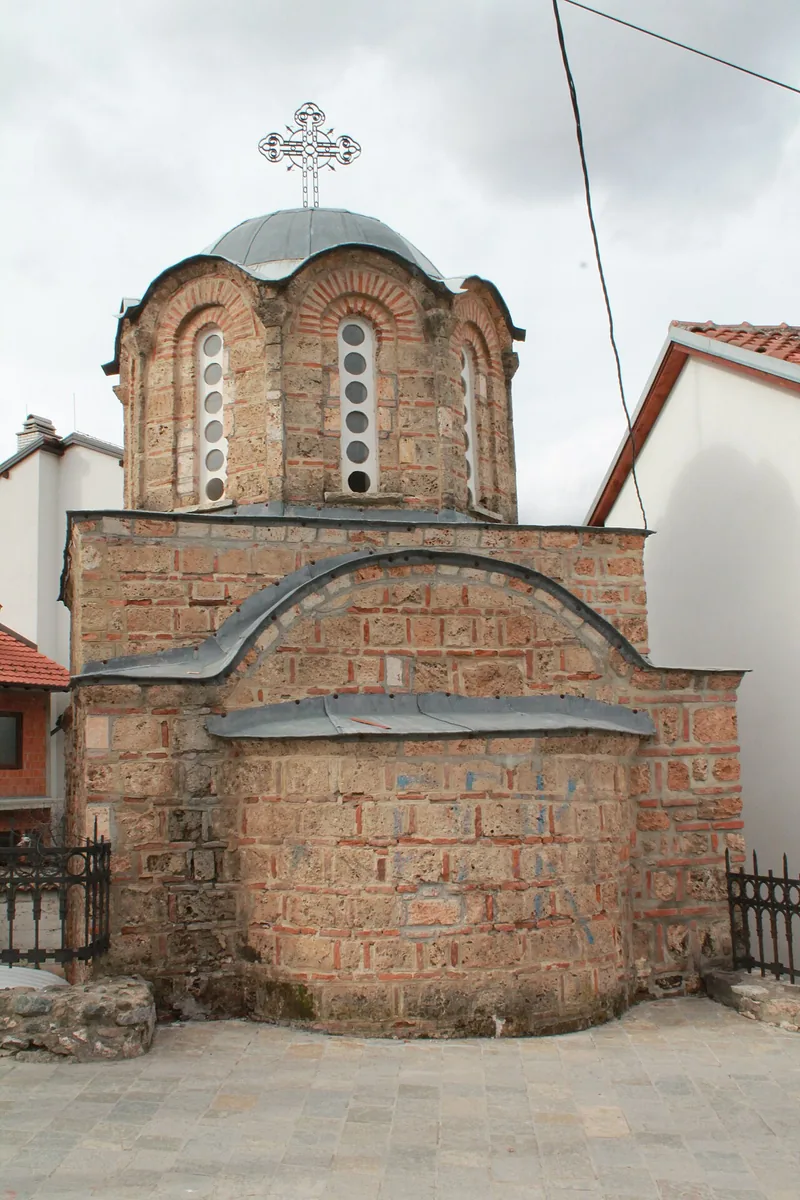
Understanding historical RIC records also requires clarity about what the Commission was not. First, the RIC was not a general reconstruction agency for all damaged religious buildings in Kosovo or for 1999 war damage as a whole; its mandate was strictly defined around the 34 Serbian Orthodox religious sites identified after the March 2004 riots. Second, the RIC was not a permanent sovereign institution, but a joint European Union and Council of Europe project managed by the European Commission Liaison Office (ECLO) and implemented by the CoE. Third, the RIC did not directly contract every work on its 34-site list: in Prizren, two priority complexes—the Orthodox Seminary of Sts Cyril and Methodius (#12) and the Episcopal Residence (#14)—were funded (€2 million) and managed directly by the European Agency for Reconstruction (EAR). Finally, the present rickosovo.
Documented case study from RIC records: Holy Synod contractor approval in November 2005
The archived (Public Information) page preserves a dated record illustrating how the RIC governance mechanism operated during its first field season. A press release dated 2 November 2005, titled 'The RIC confirms companies approved by the holy synod and works to commence on a further nineteen orthodox religious sites', documents the multi-stage approval workflow: following public tendering and technical evaluation within the Commission, the recommended list of construction and conservation firms was formally approved by the Holy Synod of the Serbian Orthodox Church, enabling protective interventions to proceed across nineteen additional sites ahead of the 2005 winter season. On 21 December 2005, the RIC issued a follow-up statement confirming the completion of the first phase of emergency protective works across 30 sites.
Frequently Asked Questions
What is the difference between the 2004 Implementation Committee (IC) and the 2005 Reconstruction Implementation Commission (RIC)?
The Implementation Committee (IC) was created under the June 2004 Memorandum of Understanding and operated only from August to mid-September 2004, when it was dissolved after the Serbian Orthodox Church withdrew from the agreement. The RIC was established under a new March 2005 Memorandum of Understanding and held its first plenary meeting in May 2005.
Who were the five members of the Reconstruction Implementation Commission?
The five members were: the Council of Europe Representative (Chairperson), the Serbian Orthodox Church Representative, the Belgrade Republic Institute for the Protection of Cultural Monuments Representative, the Ministry of Culture, Youth and Sports Representative, and the Pristina Institute for the Protection of Monuments Representative.
Who prepared the technical designs and who managed the procurement process?
All technical conservation projects were prepared by the Serbian Institutions for the Protection of Cultural Monuments (IPMs) through their office in Leposavić, while contract documentation and procurement processes were organised jointly by the RIC Technical Unit in Pristina and the Ministry of Culture, Youth and Sports.
What role did the Serbian Orthodox Church play in contractor selection?
Tenders were evaluated by the RIC with observation by the Ministry's procurement officer, and the Commission's contractor recommendations were submitted to the Serbian Orthodox Church for approval before contracts were executed.
What was the role of the International Expert Board (IEB)?
Established in 2006 under the direction of the Independent International Commission, the IEB brought together specialists from Greece, Italy, Spain, and the United Kingdom to conduct field quality-review missions at the request of the RIC Chairwoman and lead conservation training workshops.
Sources and Further Reading
- EU/CoE Support to the Promotion of Cultural Diversity in Kosovo (PCDK) & Previous Reconstruction Action — Council of Europe (Directorate of Culture and Cultural and Natural Heritage) (2010–2014) · Source document ↗
- Report Submitted by UNMIK Pursuant to Article 2.2 of the Agreement Between UNMIK and the Council of Europe Related to the Framework Convention for the Protection of National Minorities (ACFC/SR/II(2009)002) — Council of Europe / UNMIK (31. maj 2010.) · Source document ↗
- OSCE Mission in Kosovo Report on Cultural Heritage Protection and Reconstruction Process (Document 74597) — OSCE Mission in Kosovo (2008–2010) · Source document ↗
- UNMIK SRSG visits His Grace Bishop Teodosije in Gračanica Monastery — United Nations Interim Administration Mission in Kosovo (UNMIK) (31. maj 2011.) · Source document ↗
- RIC Archival Page: The Background / Uvod — Reconstruction Implementation Commission (RIC) — archival snapshot (17. maj 2009.)